

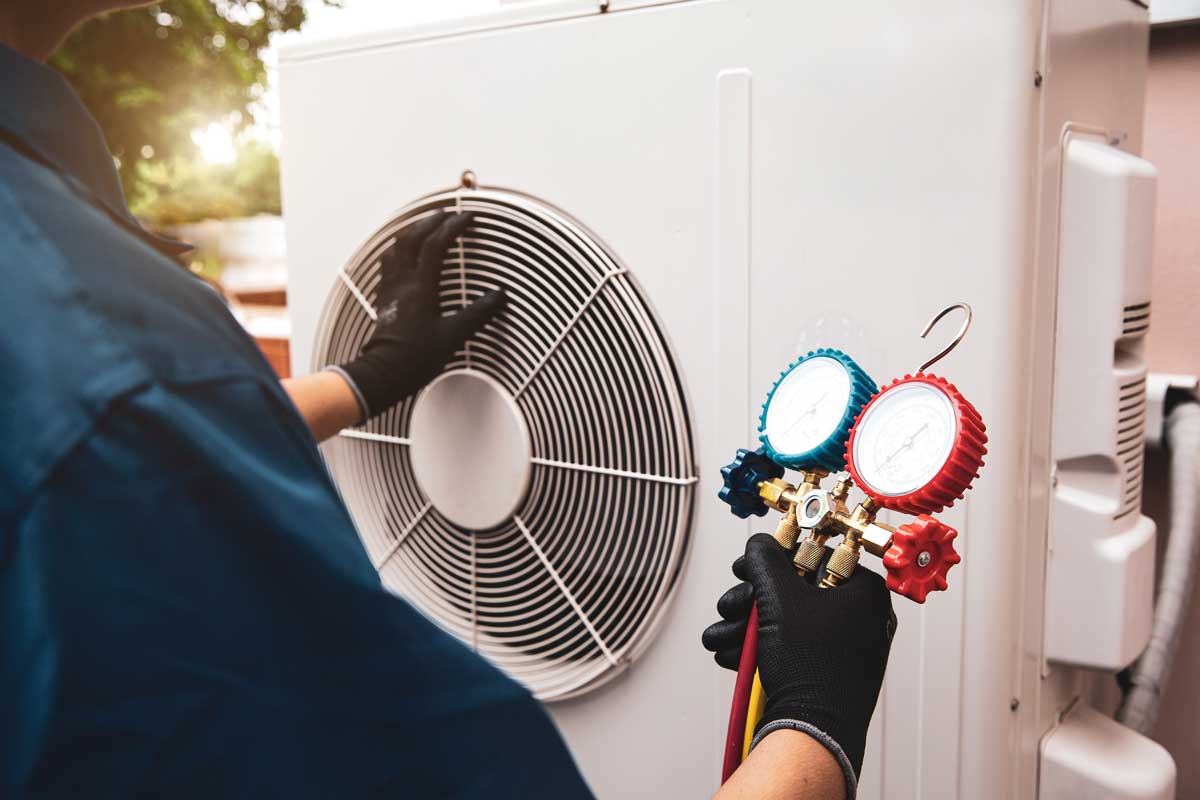
Long cooling seasons, Gulf Coast humidity, airborne dust, and sudden temperature swings can force an HVAC system to work harder than expected. For homeowners and businesses in Waller, Texas, routine maintenance helps control that workload before small efficiency problems turn into higher monthly energy costs.
Routine HVAC maintenance reduces energy use by keeping airflow open, heat-transfer surfaces clean, electrical components operating correctly, and system controls properly calibrated. A well-maintained unit can cool a property with fewer extended cycles and less unnecessary strain. Maintenance cannot eliminate every increase in an electric bill, but it can prevent neglected equipment from wasting energy while trying to maintain comfortable indoor temperatures.
What Local Property Owners Should Know
-
A dirty air filter can restrict airflow and make an HVAC system run longer to reach the thermostat setting.
-
High humidity across Waller County can increase cooling demand because the system must manage both temperature and indoor moisture.
-
Dust from nearby roads, construction, acreage, and agricultural activity can collect on outdoor coils and other system components.
-
Preventive service is usually easier to schedule before the most intense summer heat places maximum demand on local HVAC systems.
-
Maintenance can reveal worn parts, drainage problems, and airflow issues before they cause a breakdown.
Why HVAC Maintenance Matters in Waller
HVAC maintenance matters in Waller because local systems often operate through long periods of heat and humidity, placing sustained demand on motors, coils, capacitors, filters, and drainage components. Even a minor loss of airflow or heat-transfer efficiency can lead to longer cooling cycles and unnecessary electricity use.
Properties near US 290, FM 2920, rural roads, construction areas, and open land may experience more airborne dust than homes in denser urban neighborhoods. Outdoor units can also collect grass clippings, leaves, pollen, and debris. When this buildup limits airflow through the condenser coil, the system may have more difficulty releasing heat outdoors.
Humidity is another important local factor. An air conditioner does more than lower the indoor temperature. It also removes moisture from indoor air. If the system is dirty, improperly operating, or short cycling, the property may feel damp even when the thermostat shows a reasonable temperature.
Big State AC & Heating Co. helps local property owners identify maintenance issues that may be increasing operating costs.
Local Field Observations About HVAC Efficiency
Our field observations show that common efficiency losses often begin with ordinary maintenance issues rather than one major failure. Restricted filters, dirty coils, weak electrical components, clogged drain lines, thermostat problems, and neglected outdoor units can all increase system strain without immediately causing the equipment to stop working.
Because these problems develop gradually, many property owners do not notice them right away. The system may still produce cool air, but it may run longer, cycle more frequently, or struggle during the hottest part of the afternoon.
In Waller County, a system that appears to work normally in spring may reveal hidden performance problems once summer demand increases. A maintenance visit gives a technician an opportunity to inspect the system under controlled conditions before it faces its heaviest workload.
How Maintenance Lowers Monthly Energy Use
Routine maintenance lowers monthly energy use by helping the HVAC system move air, absorb indoor heat, and release that heat outdoors with less resistance. The goal is not to make an aging unit perform like brand-new equipment, but to remove avoidable conditions that increase run time and energy consumption.
A maintenance visit may include checking or addressing:
-
Air filter condition and airflow restrictions
-
Indoor and outdoor coil cleanliness
-
Thermostat operation and settings
-
Electrical connections and components
-
Blower and motor performance
-
Refrigerant-related performance indicators
-
Condensate drainage
-
Unusual noises, vibration, or cycling patterns
-
Debris around the outdoor unit
Each of these items can affect how hard the system must work. For example, a clogged filter limits return airflow. A dirty outdoor coil makes heat release more difficult. A weak component may interfere with reliable starts or normal operation. Addressing these conditions can reduce avoidable strain.
Warning Signs Your HVAC System Is Wasting Energy
Warning signs of HVAC energy waste include longer run times, uneven temperatures, weak airflow, unusual cycling, and higher bills without a clear change in household activity. These symptoms do not always prove that maintenance is the only solution, but they are good reasons to schedule an inspection.
Watch for these common signs:
-
The system runs for long periods but struggles to reach the thermostat setting.
-
Airflow feels weaker from some or all supply vents.
-
Certain rooms stay warmer than the rest of the property.
-
The outdoor unit is surrounded by weeds, leaves, or debris.
-
The indoor air feels humid or clammy.
-
The system turns on and off more frequently than usual.
-
Energy bills rise even though thermostat habits have not changed.
-
New rattling, buzzing, grinding, or clicking sounds develop.
Homeowners near Prairie View, Hempstead, Hockley, and other nearby communities may notice these issues most clearly during extended hot weather, when the HVAC system has less opportunity to rest.
When to Call an HVAC Professional
Call an HVAC professional when basic homeowner checks do not correct weak airflow, poor comfort, unusual cycling, drainage concerns, or rising energy use. Property owners can safely replace accessible filters and clear loose debris from around an outdoor unit, but internal electrical, refrigerant, motor, and control issues require trained service.
Do not remove electrical panels, handle refrigerant components, bypass safety controls, or attempt repairs while equipment is energized. These tasks can create electrical hazards, damage the unit, or make the original problem harder to diagnose.
Professional service is especially appropriate when the system trips breakers, produces burning odors, leaks water indoors, freezes, makes loud mechanical sounds, or stops maintaining a safe indoor temperature.
Common Local Causes of HVAC Inefficiency
The most common local causes of HVAC inefficiency are airflow restriction, outdoor coil contamination, humidity-related workload, aging components, duct leakage, and delayed maintenance. These conditions are especially relevant in a region where cooling systems operate frequently and outdoor equipment is exposed to dust, vegetation, storms, and changing seasonal conditions.
1. Dirty filters and restricted airflow
Filters collect dust, pet hair, and other particles. When they become overloaded, the system may struggle to move enough air.
2. Debris around outdoor equipment
Grass clippings, leaves, vines, and stored items can interfere with condenser airflow.
3. Dirty evaporator or condenser coils
Coil buildup reduces the system’s ability to absorb and release heat efficiently.
4. High indoor humidity
Gulf Coast moisture can make a home feel warmer and increase the demand placed on the cooling system.
5. Duct or insulation problems
Air loss in attics, crawlspaces, garages, or other unconditioned areas can waste cooled air before it reaches occupied rooms.
6. Worn electrical or mechanical components
Aging parts can reduce reliability and interfere with normal system operation.
Preventive HVAC Maintenance for Local Properties
Preventive HVAC maintenance works best when homeowners combine simple monthly checks with professional seasonal service. In Waller, scheduling maintenance before peak cooling demand gives the system a better opportunity to enter summer with clean components, open airflow, and known mechanical issues already addressed.
Homeowners can:
-
Check the filter regularly and replace it when dirty.
-
Keep supply and return vents open and unobstructed.
-
Remove loose leaves, weeds, and debris from around the outdoor unit.
-
Avoid blowing grass clippings toward the condenser.
-
Watch for water near the indoor equipment or drain line.
-
Use reasonable thermostat settings instead of making extreme adjustments.
-
Keep doors and windows closed while the system is cooling.
Professional maintenance should go beyond a visual glance. A technician can evaluate system operation, inspect components, identify abnormal readings, and explain whether a repair, cleaning, or further diagnostic service is needed.
What Results Can You Expect From Maintenance?
You can expect HVAC maintenance to improve operating conditions, identify developing problems, and reduce avoidable system strain, but exact energy savings vary by equipment condition, property design, weather, insulation, thermostat habits, and existing mechanical issues. Maintenance is a practical efficiency measure, not a guarantee of a specific bill reduction.
A system with a heavily restricted filter or dirty coil may show a noticeable improvement after service. A newer, already well-maintained unit may show smaller changes while still benefiting from improved reliability and early problem detection.
Maintenance may also help the system cool more evenly, manage humidity more effectively, operate more quietly, and avoid some preventable repair calls.
Common HVAC Maintenance Mistakes
Common HVAC maintenance mistakes include waiting for a breakdown, using the wrong filter, blocking airflow, and treating thermostat adjustments as a repair. Each mistake can increase run time or allow a minor issue to grow into a more expensive service need.
Mistake: Leaving a dirty filter in place for months.
Consequence: Airflow drops and the blower may work harder.
Better approach: Inspect the filter regularly and replace it based on its condition and the property’s needs.
Mistake: Crowding the outdoor unit with plants or stored items.
Consequence: Heat cannot move away from the coil as efficiently.
Better approach: Maintain open space around the equipment and remove loose debris.
Mistake: Lowering the thermostat repeatedly when cooling feels weak.
Consequence: The system may run longer without solving the underlying problem.
Better approach: Check the filter and schedule service if performance does not improve.
Mistake: Skipping maintenance because the system still turns on.
Consequence: Gradual efficiency losses may continue unnoticed.
Better approach: Use routine service to catch problems before peak-season demand.
A Common Waller HVAC Scenario
A common Waller scenario involves a system that cools adequately during mild weather but runs almost continuously during hotter afternoons. The homeowner may assume the weather alone is responsible, yet inspection may reveal a dirty filter, blocked outdoor coil, drainage issue, or weakened component adding to the workload.
After the maintenance issues are addressed, the system may cycle more normally and maintain indoor comfort with less strain. Results depend on the equipment and the property, but the scenario shows why performance should be evaluated before automatically assuming replacement is necessary.
Related HVAC Services That Support Efficiency
The HVAC services that support energy efficiency include preventive maintenance, airflow evaluation, system diagnostics, thermostat service, duct inspection, repair, and equipment replacement when an existing unit is no longer practical to operate. The correct solution depends on what is causing the excess energy use.
Maintenance is often the starting point. If the system is clean but still performs poorly, further testing may reveal duct leakage, insulation concerns, failing components, incorrect equipment sizing, or aging equipment.
Comparing Maintenance, Repair, and Replacement
Maintenance, repair, and replacement serve different purposes, and the right choice depends on system condition rather than energy bills alone. Maintenance corrects routine buildup and identifies problems, repair addresses failed or weakened parts, and replacement may be considered when equipment is unreliable, inefficient, or no longer cost-effective to keep repairing.
Choose maintenance when the system is operating but needs inspection, cleaning, and adjustment. Choose repair when a specific component or operational problem is confirmed. Consider replacement only after evaluating age, repair history, comfort performance, energy use, and the cost of continued ownership.
For many local homeowners, a professional assessment is the clearest way to avoid replacing equipment too early or continuing to spend money on a system with repeated problems.
HVAC Service Areas Near Waller
Our service area includes Waller and nearby communities where heat, humidity, dust, and seasonal cooling demand create similar HVAC concerns. Property owners in surrounding parts of Waller County, Prairie View, Hempstead, Hockley, and nearby rural areas can benefit from preventive maintenance tailored to local operating conditions.
The Cost of Ignoring HVAC Maintenance
Ignoring HVAC maintenance can lead to longer run times, higher energy use, uneven cooling, humidity problems, preventable component wear, and an increased chance of failure during hot weather. Delaying service may also make it harder to schedule a convenient appointment when local demand rises.
A neglected system does not always fail immediately. More often, performance declines gradually while the property owner pays for longer operating cycles and reduced comfort.
Frequently Asked Questions
How often should HVAC maintenance be scheduled in Waller, Texas?
HVAC maintenance is commonly scheduled at least once a year, with many property owners choosing service before the cooling season. The right frequency depends on equipment type, system age, pets, indoor air conditions, operating hours, and local dust exposure. A technician can recommend a schedule based on the property.
Can HVAC maintenance really lower my electric bill?
HVAC maintenance can lower avoidable energy use when dirty filters, contaminated coils, airflow restrictions, control issues, or worn parts are making the system work harder. The actual bill change varies because weather, rates, insulation, occupancy, thermostat settings, and equipment condition also affect monthly electricity consumption.
Why does my air conditioner run so long during Waller summers?
An air conditioner may run longer because of high outdoor temperatures, humidity, poor insulation, air leakage, dirty components, restricted airflow, duct problems, or an equipment issue. Some extended operation is normal during extreme heat, but continuous running with poor comfort should be evaluated by a professional.
Does Waller County humidity affect HVAC efficiency?
Yes, Waller County humidity can increase HVAC workload because the air conditioner must remove indoor moisture while lowering the temperature. Dirty coils, short cycling, airflow problems, or oversized equipment may reduce moisture removal. Maintenance helps confirm whether the system is operating in a way that supports both cooling and dehumidification.
What HVAC maintenance can homeowners safely perform?
Homeowners can safely inspect accessible filters, replace them when dirty, keep vents open, clear loose debris around outdoor equipment, and monitor for unusual noises or water. Electrical testing, refrigerant work, internal cleaning, motor repairs, and control adjustments should be left to trained HVAC professionals.
Is a higher energy bill always caused by the HVAC system?
No, a higher energy bill can result from hotter weather, utility-rate changes, increased occupancy, pool equipment, appliances, water heating, air leaks, or longer cooling hours. An HVAC inspection can determine whether the system is contributing through poor airflow, excessive cycling, dirty components, or mechanical problems.
Should I schedule maintenance before summer in Waller?
Scheduling maintenance before summer is a practical choice because it allows time to identify problems before extended heat increases cooling demand. Spring service may also offer more scheduling flexibility than waiting until the system fails during a period when many Waller-area property owners need urgent repairs.
Can maintenance fix uneven temperatures between rooms?
Maintenance may improve uneven temperatures when dirty filters, weak airflow, blower issues, or blocked vents are contributing to the problem. However, uneven cooling can also come from duct design, leakage, insulation, sun exposure, room additions, or equipment sizing. A complete evaluation may be necessary.
Improve Comfort and Control HVAC Energy Waste
Routine maintenance gives Waller property owners a practical way to reduce unnecessary system strain, catch developing issues, and prepare for demanding cooling conditions. We focus on identifying the specific conditions affecting each system rather than making unsupported promises about savings.
Keep Your Waller Property Comfortable and Efficient
Professional HVAC maintenance can help your system operate under cleaner, more reliable conditions throughout the cooling season.